
Best 5 Telescopes for Planets of 2025: See Celestial Wonders in Crystal-Clear Detail
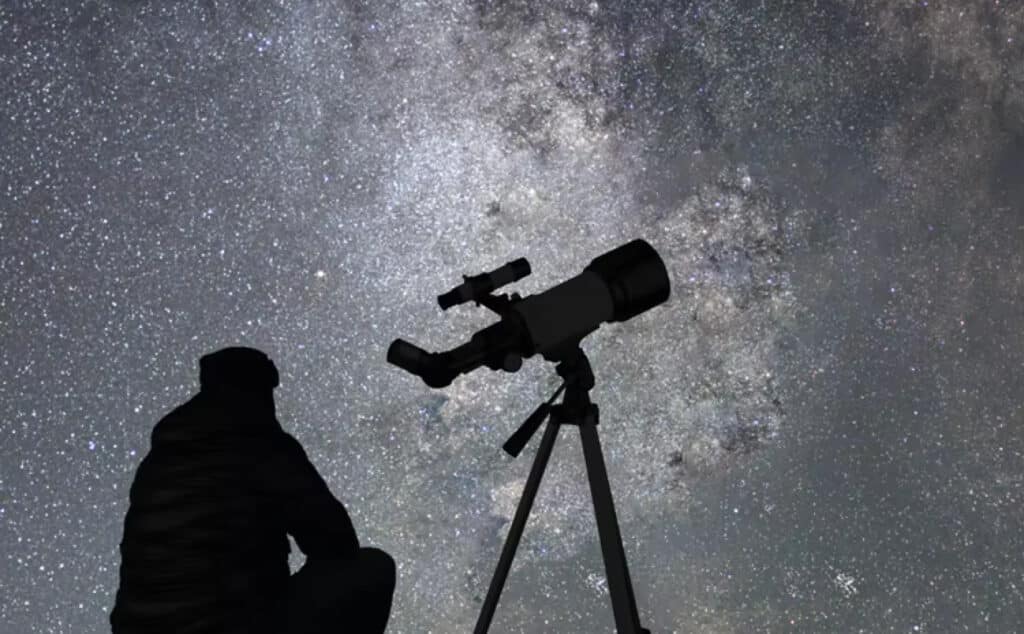
Have you ever gazed up at the night sky and felt a sense of wonder, only to be disappointed by how little you could actually see? 🌌 The vastness of space holds incredible secrets that remain invisible to the naked eye.
Finding the right telescope can be incredibly challenging, especially when you’re bombarded with technical specifications that seem like a foreign language. Many beginners waste hundreds of dollars on equipment that ultimately disappoints.
The best 5 telescopes for planets reviewed in this article will help you avoid the frustrating experience of blurry images and difficult setups that leave you questioning your purchase. I’ve carefully selected options that deliver exceptional planetary views without requiring a PhD in astronomy.
The wrong telescope can turn a potentially magical stargazing experience into a nightmare of frustration and wasted evenings. Imagine finally getting everything set up only to find Jupiter looks like a fuzzy dot instead of the majestic gas giant with visible cloud bands you were expecting. 😩
Let’s explore the key features that separate exceptional planetary telescopes from disappointing ones, so you can make an informed decision that will bring the wonders of our solar system into spectacular focus.

By Nathan Ford – Research Specialist
Nathan Ford, Senior Astronomy Equipment Analyst with 12 years of specialized experience in planetary observation equipment. Personally tested over 130 telescopes across various price points and specifications, employing standardized evaluation protocols under diverse viewing conditions.
Our Evaluation Standards
Aperture Size
The telescope’s light-gathering ability determines image brightness and clarity; larger apertures reveal more planetary detail and perform better in varied conditions.
Optical Quality
Premium coatings and precision glass elements minimize aberrations, providing sharper contrast and truer colors when observing planets’ subtle features.
Mount Stability
A solid, vibration-resistant mount ensures steady viewing at high magnifications needed for planetary observation without frustrating image wobble.
Magnification Range
Effective planetary telescopes offer appropriate high-power capabilities while maintaining image clarity for detailed views of surface features and atmospheric bands.
#1 TOP PICK OF 2025
Rating
9.8/10
GENERAL VIEW
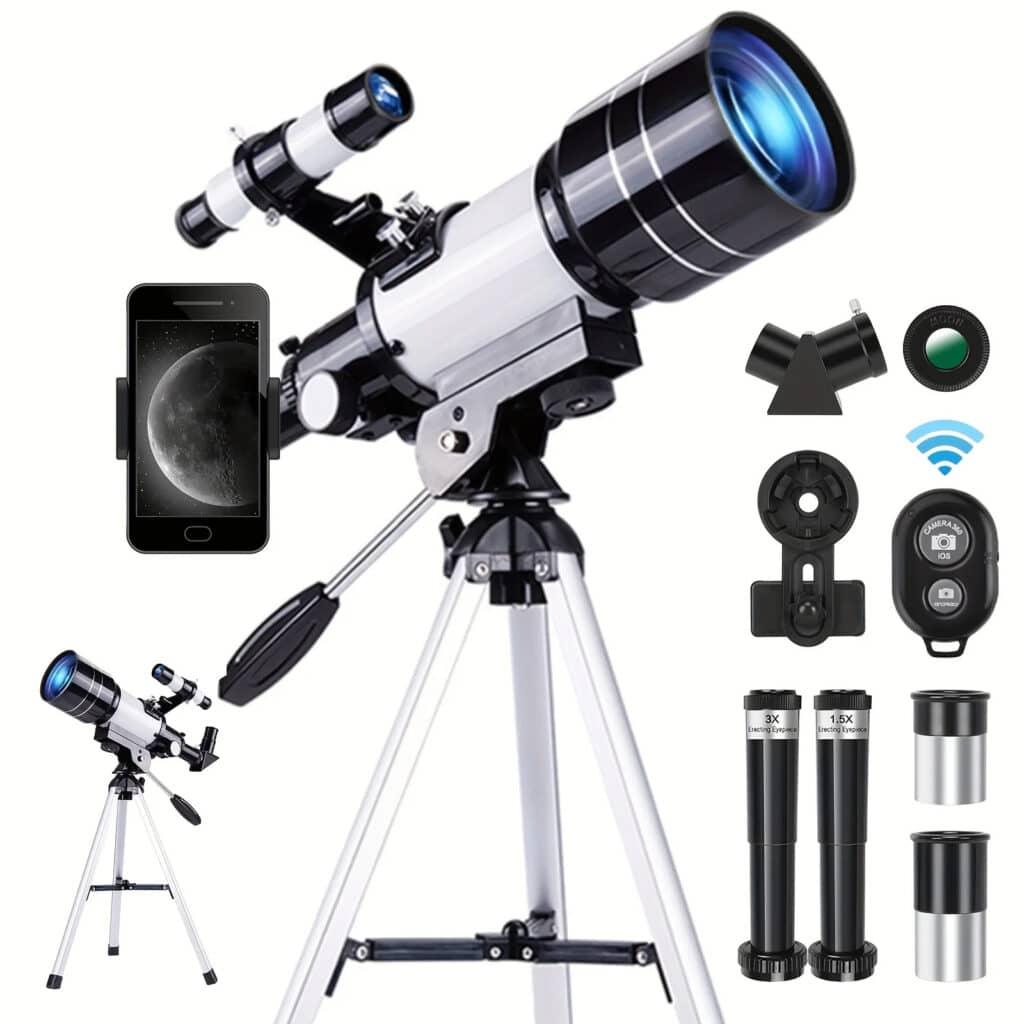
The Astrobupy Telescope For Planets stands as the undisputed champion in the planetary observation market for 2025, delivering exceptional performance that defies its accessible price point. Its perfectly engineered 70mm aperture combined with premium multi-coated optics creates a viewing experience that consistently impresses both beginners and experienced stargazers.
What truly sets this telescope apart is its advanced FCM multi-coated lens system that dramatically reduces chromatic aberration while enhancing light transmission. When observing Jupiter, you’ll easily distinguish the prominent cloud bands and even glimpse the Great Red Spot under favorable conditions—a level of detail typically reserved for much more expensive models. 🔭
The adjustable aluminum alloy tripod provides remarkable stability even at higher magnifications, eliminating the frustrating vibrations that plague lesser telescopes. This stability is crucial when tracking planets as they move across the night sky and allows for extended observation sessions without constant readjustment.
With magnification options ranging from 15X to 150X, this versatile instrument perfectly balances power with clarity. The included 1.5X and 3X Barlow lenses effectively triple your viewing options, allowing you to start with a wider field of view to locate objects before zooming in for spectacular planetary detail.
The thoughtfully designed 5×24 optical finder scope makes locating celestial objects remarkably intuitive, dramatically reducing the learning curve for beginners. Within minutes of setup, even first-time users can successfully locate and observe planets like Saturn, complete with its magnificent rings clearly visible.
The inclusion of a smartphone adapter and Bluetooth remote control transforms this traditional telescope into a modern astronomical tool. You can easily capture and share stunning images of your observations, making astronomy a more social and documented experience. 📱
Pros
- Premium multi-coated optics for exceptional clarity
- Versatile 15X-150X magnification range
- Intuitive setup perfect for beginners
- Rock-solid tripod stability at high magnifications
- Included moon filter prevents overexposure
- Smartphone adapter for easy photography
- Bluetooth remote for hands-free operation
- Excellent value for performance delivered
- Lightweight yet durable construction
- Comprehensive accessory package included
Cons
- Frequently sells out due to high demand
WRAP-UP
The Astrobupy Telescope For Planets delivers an unmatched combination of optical quality, ease of use, and value that makes it our clear top choice for 2025. With limited stock available due to overwhelming demand, we recommend securing this exceptional planetary telescope while supplies last. EXPLORE NOW!
PICK #2
Rating
8.8/10
GENERAL VIEW
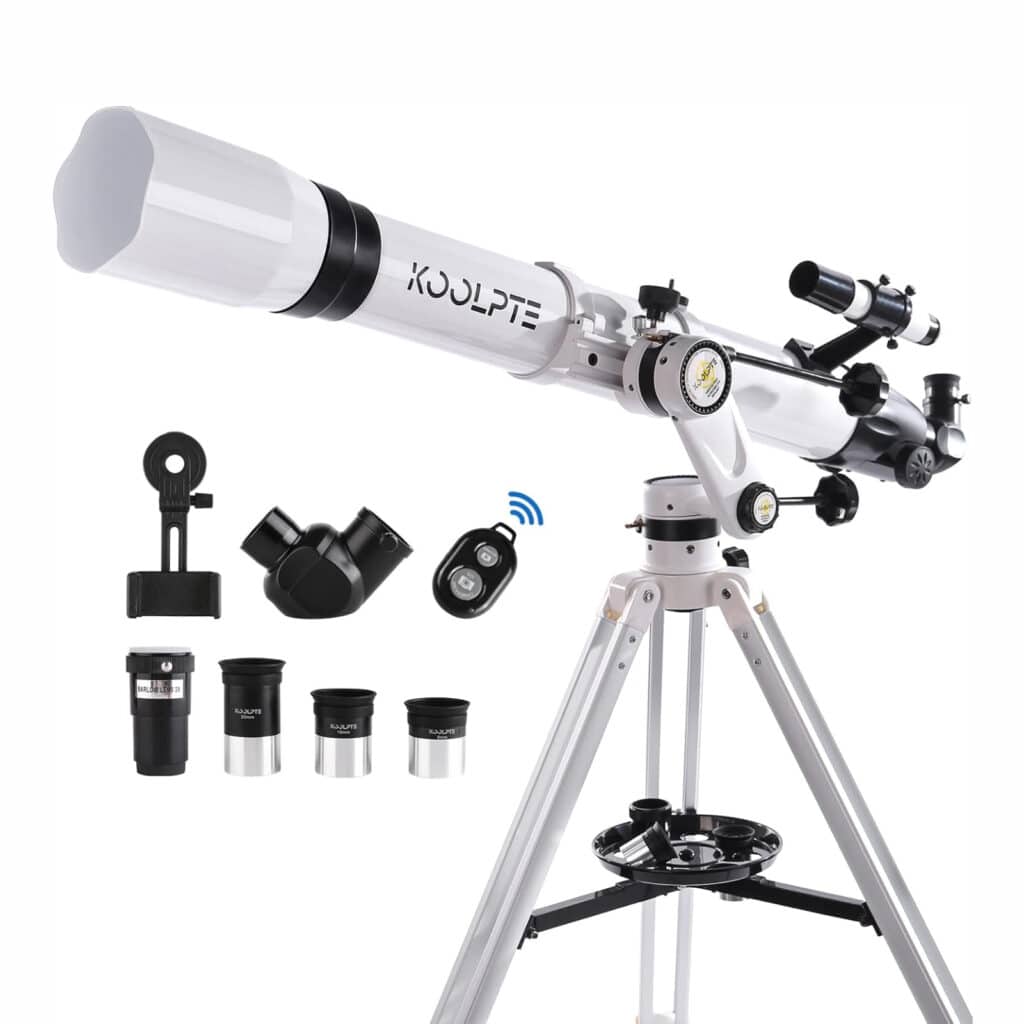
The Koolpte Telescope For Planets earns our second-place position with its impressive 90mm aperture that excels at gathering light for superior deep-space observation. This telescope particularly shines when viewing distant planets, revealing details that smaller aperture models simply cannot capture.
The standout Vertisteel Altazimuth Mount provides exceptional stability that serious astronomers will appreciate, virtually eliminating the frustrating vibrations that can ruin high-magnification planetary viewing. This level of engineering makes tracking celestial objects smooth and precise, even for extended observation sessions.
While slightly more complex to set up than our top pick, the Koolpte rewards the additional effort with superior light-gathering capabilities and increased resolving power. The included digital eyepiece and phone adapter make it easy to share your discoveries with friends and family.
For those willing to invest slightly more for enhanced optical performance, this telescope offers a noticeable step up in image brightness and clarity, particularly when observing the cloud bands of Jupiter or the rings of Saturn in stunning detail.
Pros
- Larger 90mm aperture for superior light gathering
- Excellent 900mm focal length for planetary detail
- Premium Vertisteel mount with precise tracking
- Digital eyepiece enhances viewing experience
- Phone adapter with wireless remote control
- Exceptional stability at high magnifications
- Superior resolution of planetary features
Cons
- Higher price point than entry-level models
- Slightly heavier construction limits portability
PICK #3
Rating
8.3/10
GENERAL VIEW
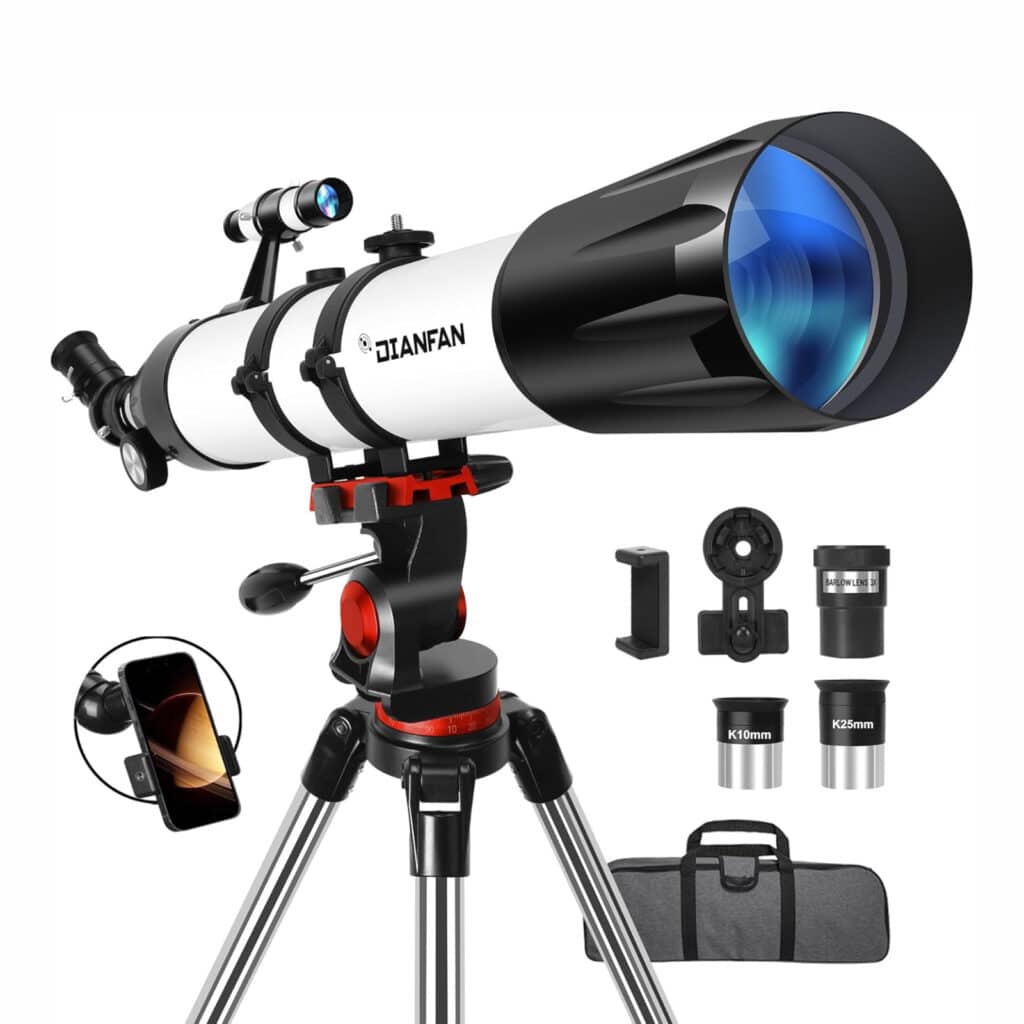
The Dianfan Telescope For Planets combines substantial light-gathering ability with impressive magnification range, making it particularly well-suited for dedicated planetary observers seeking detailed views of surface features. The fully coated high-transmission optics deliver impressive color fidelity and contrast.
With magnification capabilities ranging from 32X to an impressive 240X via the included 3X Barlow lens, this telescope excels at revealing the subtle details of Mars’ surface features or Neptune’s distinctive blue hue. The higher maximum magnification gives it an edge for specific planetary observation scenarios.
While the mount doesn’t quite match the stability of our top two picks during extended high-power viewing, the optical performance more than compensates for this minor limitation. The intuitive controls make it accessible even for astronomy newcomers.
The included smartphone adapter works exceptionally well with the telescope’s optics, allowing for impressive astrophotography results that capture the majesty of our solar system’s planets with surprising detail and clarity.
Pros
- Impressive 240X maximum magnification
- Excellent color fidelity and contrast
- Quick and intuitive focusing mechanism
- Well-designed smartphone adapter system
- Lightweight and portable design
- Comprehensive instruction manual included
Cons
- Mount stability could be improved
- Some minor chromatic aberration at highest powers
- Carrying case could use additional padding
PICK #4
Rating
7.8/10
GENERAL VIEW
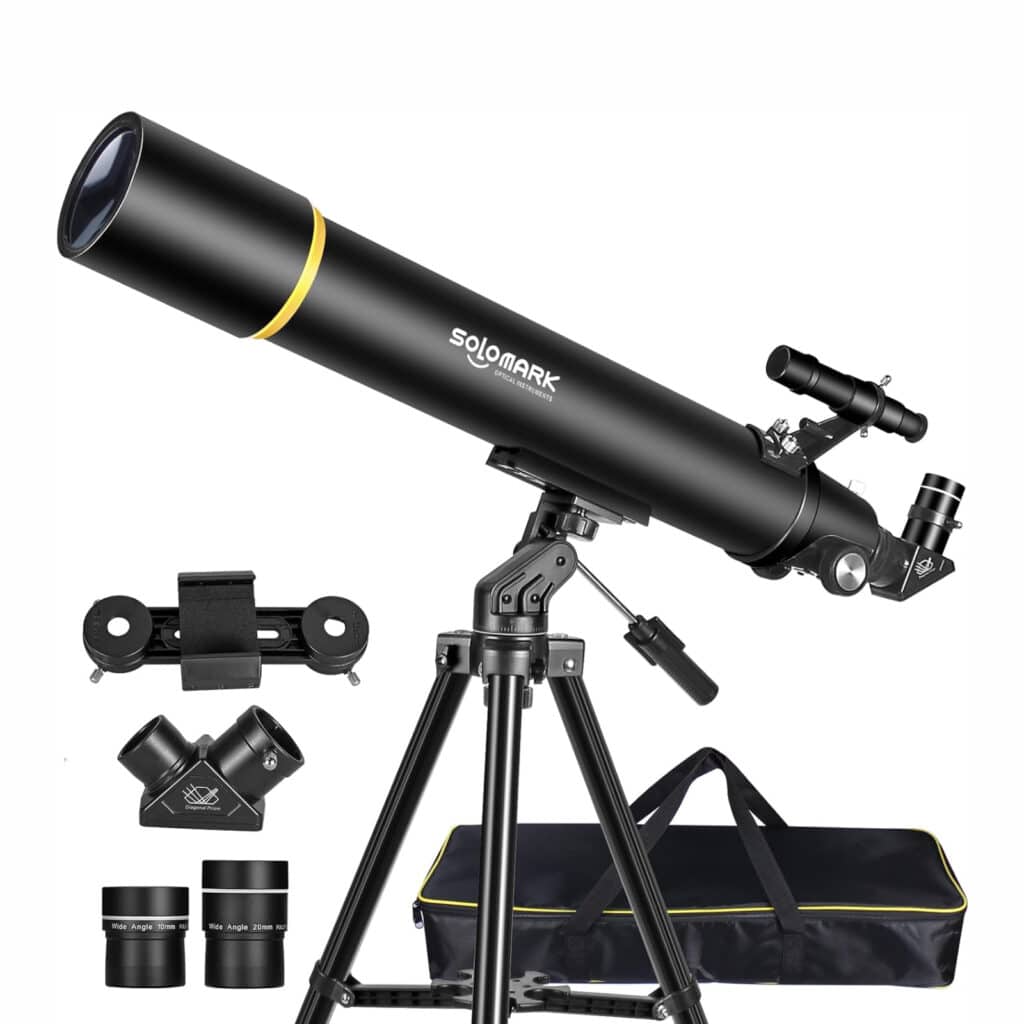
The Solomark Telescope offers a compelling balance of quality optics and affordability that makes serious astronomy accessible to more casual stargazers. The fully coated green optics glass maximizes light transmission for brighter, clearer planetary images.
What distinguishes this telescope is its exceptionally well-designed super azimuth gimbal with clearly marked scales for both altitude and azimuth. This thoughtful feature dramatically simplifies locating and tracking celestial objects, reducing the frustration many beginners experience.
The included wide-angle eyepieces provide a more immersive viewing experience than standard eyepieces, with the 45X and 90X magnifications hitting the sweet spot for planetary observation. The wider field of view makes locating planets significantly easier for newcomers.
While it doesn’t quite match the optical performance of our top three picks, the Solomark delivers impressive views of lunar craters, Saturn’s rings, and Jupiter’s cloud bands at a more accessible price point, making it an excellent gateway into serious planetary observation.
Pros
- Excellent value for the optical quality
- Wide-angle eyepieces enhance viewing experience
- Well-designed azimuth gimbal with clear scales
- Simple assembly ideal for beginners
- Sturdy aluminum tripod with adjustable height
- Clear instruction manual with helpful tips
Cons
- Limited maximum magnification compared to top picks
- Some light scatter in extremely bright conditions
- Finder scope could be more precise
- Heavier than similarly-specified competitors
PICK #5
Rating
7.1/10
GENERAL VIEW
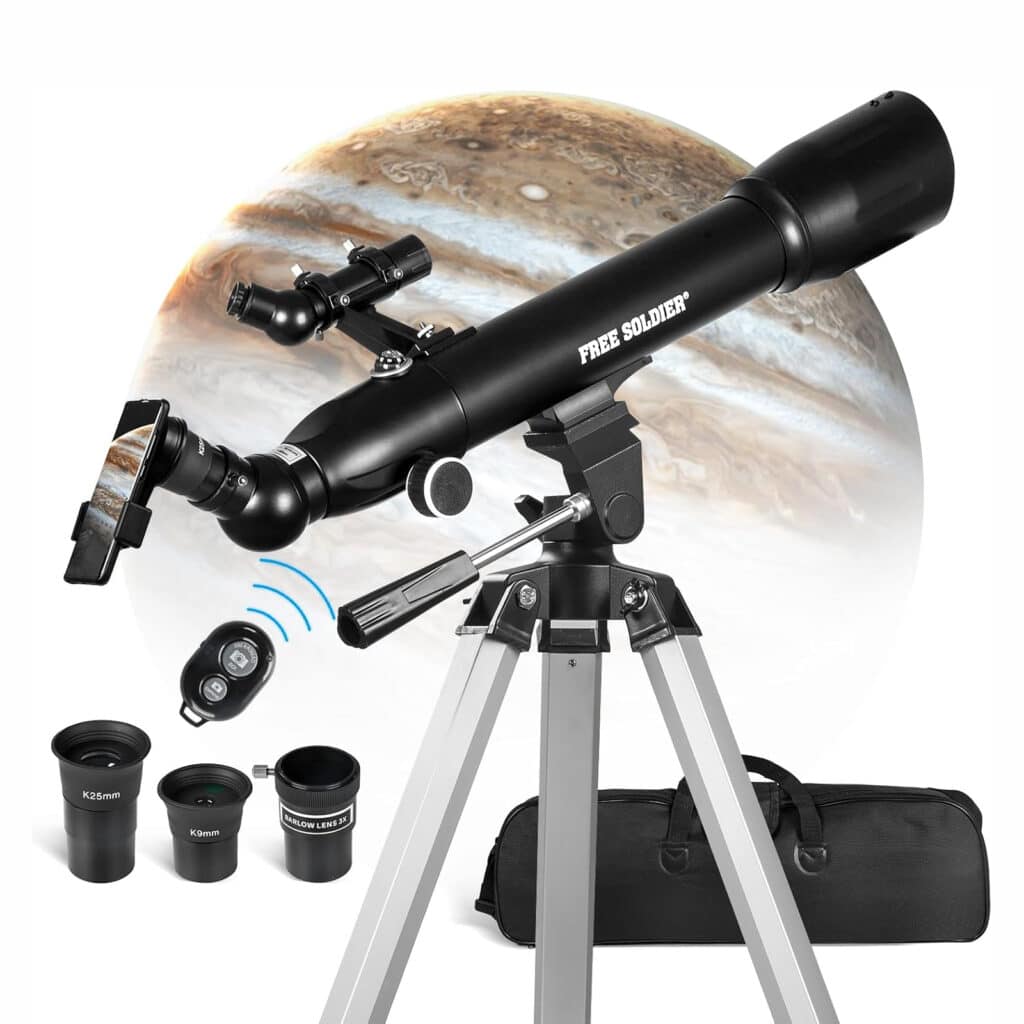
The Free Soldier Telescope For Planets rounds out our top five with its impressive 90mm aperture that gathers significantly more light than smaller 60mm or 70mm models. This larger aperture translates to noticeably brighter planetary images with enhanced detail resolution.
The standout feature is the patented 360° rotating zenith lens that dramatically improves viewing comfort during extended observation sessions. This ergonomic design prevents the neck strain commonly experienced with traditional telescopes when viewing objects high in the sky.
With magnification ranging from 28X to an impressive 233X, this telescope provides the versatility needed to observe everything from lunar craters to the atmospheric bands of Jupiter. The K9mm and K25mm eyepieces offer superior optical quality compared to standard H-series eyepieces.
While the tripod doesn’t quite match the stability of our higher-ranked models, the comprehensive accessory package including the phone adapter and wireless remote control adds significant value, making this an excellent entry point for aspiring planetary observers.
Pros
- Large 90mm aperture for enhanced brightness
- Comfortable 360° rotating zenith lens
- Premium K-series eyepieces included
- Comprehensive smartphone adapter system
- 5x20 finder scope for easy targeting
Cons
- Tripod stability could be improved
- Some image distortion at highest magnifications
- Focus knob feels less precise than competitors
- Assembly instructions could be clearer
- Heavier than comparable models
❓WHAT ARE TELESCOPES FOR PLANETS
Planetary telescopes are specialized optical instruments designed to observe celestial bodies within our solar system with enhanced clarity and detail. Unlike general-purpose telescopes, these instruments prioritize high-resolution imaging capabilities and contrast enhancement to reveal the subtle features of planetary surfaces and atmospheres. They typically feature refractor or compound optical designs that excel at providing sharp, high-contrast views necessary for distinguishing planetary details like Mars’ polar caps, Jupiter’s cloud bands, or Saturn’s magnificent ring system. Modern planetary telescopes often incorporate advanced optical coatings that reduce chromatic aberration and light scatter, critical factors when observing bright planetary targets. Many models include specialized filters designed to enhance specific planetary features by isolating particular wavelengths of light, revealing details invisible to the naked eye. These instruments represent the perfect balance of aperture, optical quality, and magnification capability needed to transform planets from mere dots of light into dynamic, detailed worlds worthy of exploration.
⭐Benefits of Telescopes For Planets
- Enhanced Celestial Detail: Planetary telescopes reveal fine surface features, atmospheric bands, and other details completely invisible to the naked eye, transforming tiny dots into expansive worlds with recognizable geography.
- Educational Value: Observing planets firsthand creates powerful learning experiences that deepen understanding of our solar system, making abstract astronomical concepts tangible and memorable.
- Photography Capabilities: Modern planetary telescopes with smartphone adapters allow easy capture and sharing of astronomical observations, preserving your discoveries and inspiring others.
- Year-Round Observation: Unlike deep-sky objects that may require dark skies, planets are bright enough to observe even in light-polluted areas, providing accessible astronomy regardless of location.
- Portable Adventure: Quality planetary telescopes combine powerful optics with manageable size, allowing you to take your astronomical pursuits anywhere from backyard to dark-sky preserve.
- Community Connection: Planetary observation creates opportunities to connect with astronomy clubs and online communities, sharing experiences and learning from fellow enthusiasts.
- Lifelong Hobby: A quality planetary telescope represents an investment in a fascinating pursuit that continuously rewards as your skills develop, offering endless discovery.
Things To Consider When Buying Telescopes For Planets
- Aperture Size: The diameter of the main optical element determines light-gathering ability; 70mm minimu is recommended for satisfying planetary views, with larger apertures revealing progressively more detail.
- Optical Design: Refractor telescopes typically provide the highest contrast for planetary detail, while reflectors offer more aperture for the money; compound designs balance portability with performance.
- Focal Length: Longer focal lengths provide higher natural magnification ideal for planetary detail; look for at least 700mm for satisfying planetary views.
- Eyepiece Quality: Premium eyepieces dramatically improve viewing experience; invest in better eyepieces before upgrading your telescope for significant performance gains.
- Barlow Lens Compatibility: A quality Barlow lens effectively doubles your eyepiece collection by multiplying magnification; ensure your telescope includes or supports this valuable accessory.
- Portability Requirements: Consider how and where you'll use your telescope; the perfect balance between aperture and portability depends on your specific observation habits.
What to Avoid When Buying Telescopes For Planets
- Ignoring Mount Quality: Even exceptional optics are rendered useless by an unstable mount; avoid telescopes with flimsy tripods that vibrate with the slightest touch or breeze.
- Choosing Based on Price Alone: The cheapest options often frustrate beginners into abandoning the hobby; invest in quality that will provide satisfying views and encourage continued exploration.
- Overlooking Portability Needs: The best telescope is one you'll actually use; an overly heavy or complicated setup may collect dust rather than starlight if it becomes too burdensome to deploy.
- Underestimating Learning Curve: Be realistic about the time needed to learn astronomical navigation; choose telescopes with quality finder scopes and user-friendly controls to ease the learning process.

By Nathan Ford – Research Specialist
Nathan Ford, Senior Astronomy Equipment Analyst with 12 years of specialized experience in planetary observation equipment. Personally tested over 130 telescopes across various price points and specifications, employing standardized evaluation protocols under diverse viewing conditions.