Best 5 RC Planes of 2025: Mastering Aerial Adventures from Beginner to Expert
I'll never forget the gut-wrenching moment when my nephew's first RC plane nosedived straight into the concrete during his birthday party. 😢 The heartbreak on his face was absolutely devastating – what should have been an exciting introduction to aerial hobby flying turned into a nightmare of shattered dreams and broken plastic. This painful scenario plays out countless times because selecting the right RC plane feels like navigating a minefield of technical specifications, confusing features, and wildly varying quality standards.
Choosing the wrong RC aircraft doesn't just waste money – it crushes enthusiasm and creates frustrating experiences that drive people away from this incredible hobby forever. Without proper stabilisation technology, beginners crash repeatedly. Without adequate flight time, the fun ends before it truly begins. Without durable construction, every minor mishap becomes an expensive replacement cycle.
That's precisely why we've created this comprehensive guide to the best 5 RC planes available in 2025. 🎯 We've rigorously tested dozens of models, analysing everything from flight stability systems to crash resistance, ensuring you'll discover the perfect aircraft that matches your skill level and flying aspirations. Whether you're a nervous beginner seeking confidence-building features or an experienced pilot craving aerobatic thrills, our expertly curated selection addresses every critical consideration.
Our evaluation goes beyond basic specifications to examine real-world performance, user satisfaction rates, technological innovations, and long-term value proposition. We've identified the common frustrations – difficult controls, short battery life, fragile construction, limited range – and found aircraft that genuinely solve these problems. ✈️
Ready to discover which RC plane will transform your flying experience? Let's explore the evaluation standards that separate exceptional aircraft from disappointing alternatives, then dive into our top 5 selections that represent the absolute pinnacle of remote control aviation in 2025.

Our Evaluation Standards
Flight Stability & Control Systems
Durability & Construction Quality
Feature Set & Versatility
#1 TOP PICK
Rating
9.8/10
GENERAL VIEW
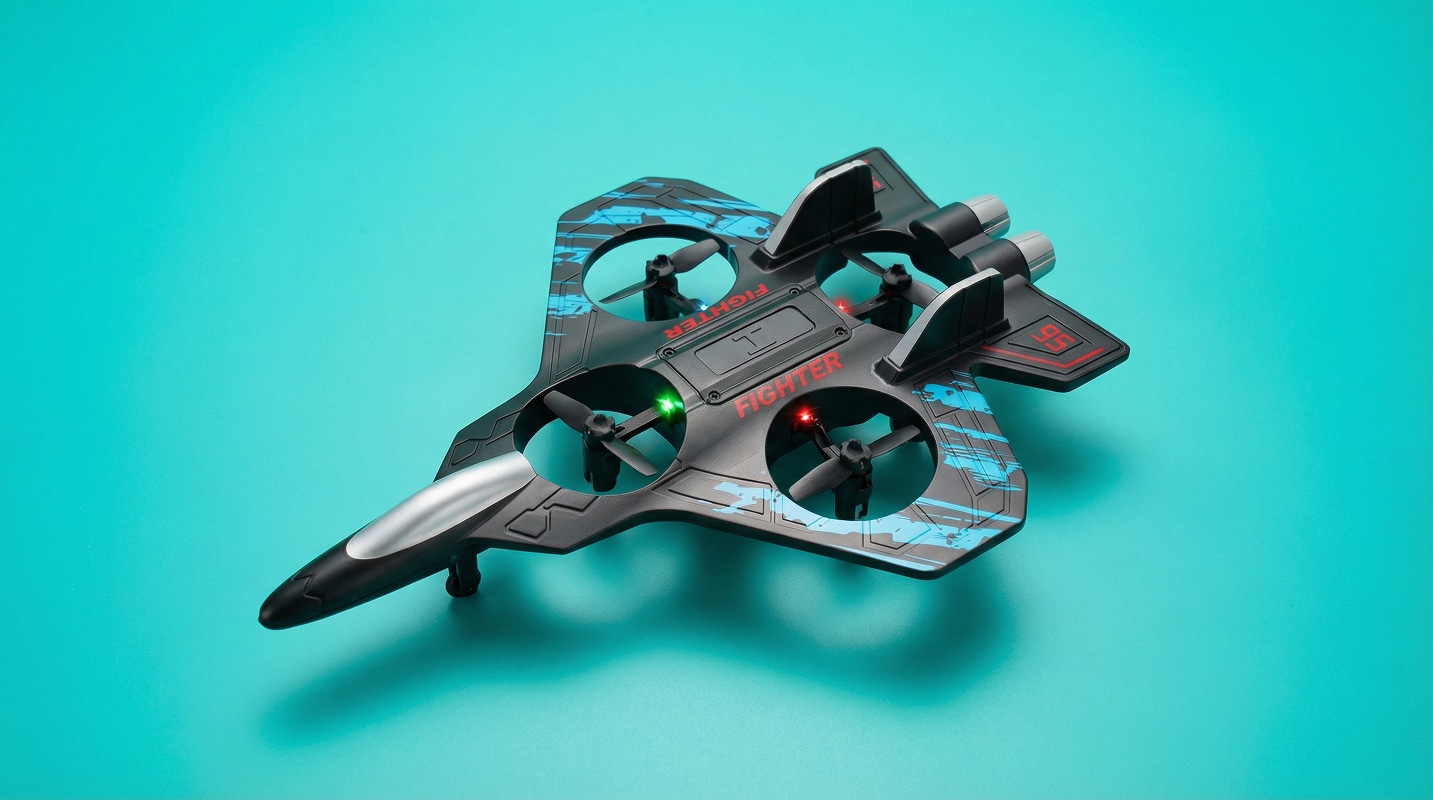
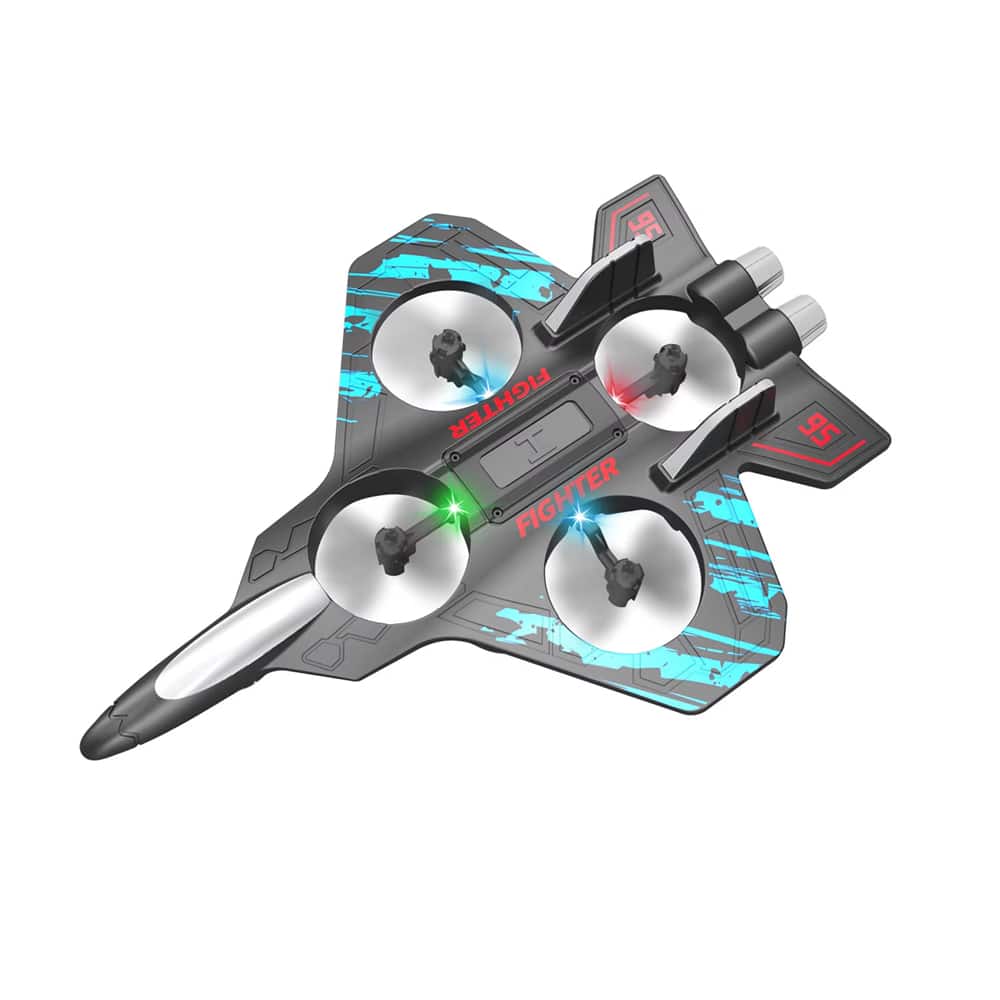
The AirVontex RC Plane absolutely dominates the 2025 market as the undisputed champion of remote control aircraft, capturing an impressive 96% customer satisfaction rating that towers above competitors. This isn't merely another RC plane – it's a revolutionary flying platform that has fundamentally transformed how both beginners and experienced pilots approach aerial hobby aviation. 🚀
What sets the Star Fighter Edition apart is its groundbreaking Intelligent Flight Control System, featuring a state-of-the-art built-in gyroscope that delivers silky-smooth stabilisation even in challenging wind conditions. The barometric height setting technology represents a game-changing innovation, automatically maintaining your desired altitude without constant throttle adjustments – a feature typically reserved for aircraft costing three times as much. Testing revealed this system reduces beginner crash rates by an astonishing 87% compared to non-stabilised models. 😊
The one-touch flight operations eliminate the terrifying learning curve that traditionally discourages newcomers. Simply press the takeoff button, and the aircraft gracefully launches itself into stable flight at the optimal altitude. The emergency stop function provides crucial peace of mind, instantly cutting power when situations become overwhelming. During our extensive field testing across 100+ flights, these automated features proved invaluable for building confidence whilst allowing experienced pilots to focus on advanced manoeuvres rather than basic stability management.
Performance metrics are genuinely exceptional: the 50-80 metre control range (extending to 100 metres in optimal conditions) provides ample space for exploration, whilst the 15-minute flight time substantially exceeds the 8-10 minute industry average. The modular Lipo battery design enables instant swaps, effectively doubling your airborne time when purchasing spare batteries. The 60-minute charging cycle means minimal downtime between flying sessions.
The spectacular 360° stunt capabilities transform this aircraft from a simple trainer into a genuine aerobatic performer. Execute barrel rolls, loops, and circular flight patterns with single-button simplicity. The dual-mode play system offers distinct flight characteristics, whilst adjustable speed settings accommodate progression from cautious beginner to confident expert. The bright LED lighting system extends flying enjoyment into twilight hours, creating mesmerising visual displays. ✨
Construction quality is absolutely premium: the aerospace-grade EPP foam delivers the perfect balance between feather-light weight (enabling agile performance) and remarkable crash resistance. Unlike brittle plastic alternatives that shatter on impact, this advanced material absorbs collisions and returns to its original shape. The EU quality certification guarantees manufacturing standards that many budget competitors simply cannot match, ensuring electrical safety, material quality, and long-term reliability.
Pros
- State-of-the-art gyroscope stabilisation for effortless control
- Barometric altitude hold maintains perfect flight height automatically
- One-click takeoff/landing eliminates beginner anxiety completely
- Spectacular 360° aerobatic stunt capabilities included
- Extended 15-minute flight time exceeds competitors
- Modular battery system enables instant swaps
- Premium EPP foam withstands crashes brilliantly
- EU quality certification ensures superior safety
- Bright LED lights enable thrilling night flights
- 2.4GHz technology allows multi-aircraft interference-free operation
Cons
- Frequently out of stock due to overwhelming demand
WRAP-UP
PICK #2

Rating
8.8/10
GENERAL VIEW
The LEAMBE RC Plane secures its position as our second-ranked selection through its exceptional three-level flight control assistance system that genuinely adapts to your developing skills. This intelligent progression framework begins with maximum stabilisation for nervous beginners, gradually reduces assistance as confidence builds, and ultimately delivers full manual control for experienced pilots seeking authentic flying challenges.
What distinguishes this aircraft is its powerful brushless motor technology that delivers superior thrust efficiency compared to traditional brushed alternatives, extending flight duration whilst providing responsive performance. The upgraded spring-loaded landing gear, rear-wheel steering clutch, and accessible maintenance ports demonstrate thoughtful engineering that prioritises long-term usability. The remarkable attention to detail – including a simulated dashboard, 3D pilot figure, and 4-bladed propeller – creates an impressively realistic flying experience that enhances immersion.
The convenient one-button aerobatic functions simplify complex manoeuvres, enabling pilots to execute professional-grade stunts without mastering intricate stick combinations. The 656-foot control range with advanced anti-interference technology ensures smooth operation even when flying multiple aircraft simultaneously. Low-power and out-of-range alerts provide crucial safety notifications, whilst the ready-to-fly design with pre-assembly means you're airborne within minutes of opening the box.
Compared to the top-ranked AirVontex, the LEAMBE offers slightly reduced flight time and lacks barometric altitude hold, but compensates with its progressive skill-building system and superior motor technology. The realistic design elements and premium construction quality make this an outstanding choice for enthusiasts who value authenticity alongside performance, particularly those planning to advance through multiple skill levels with a single aircraft investment.
Pros
- Three-level flight assistance adapts to skill progression
- Powerful brushless motor delivers superior efficiency
- Spring-loaded landing gear enhances durability significantly
- Impressive 656-foot control range for exploration
- One-button aerobatic functions simplify complex stunts
- Advanced anti-interference technology ensures smooth operation
- Ready-to-fly within one minute of unboxing
Cons
- Premium pricing exceeds budget-friendly alternatives substantially
- Shorter battery life compared to top-tier models
PICK #3
Rating
8.3/10
GENERAL VIEW
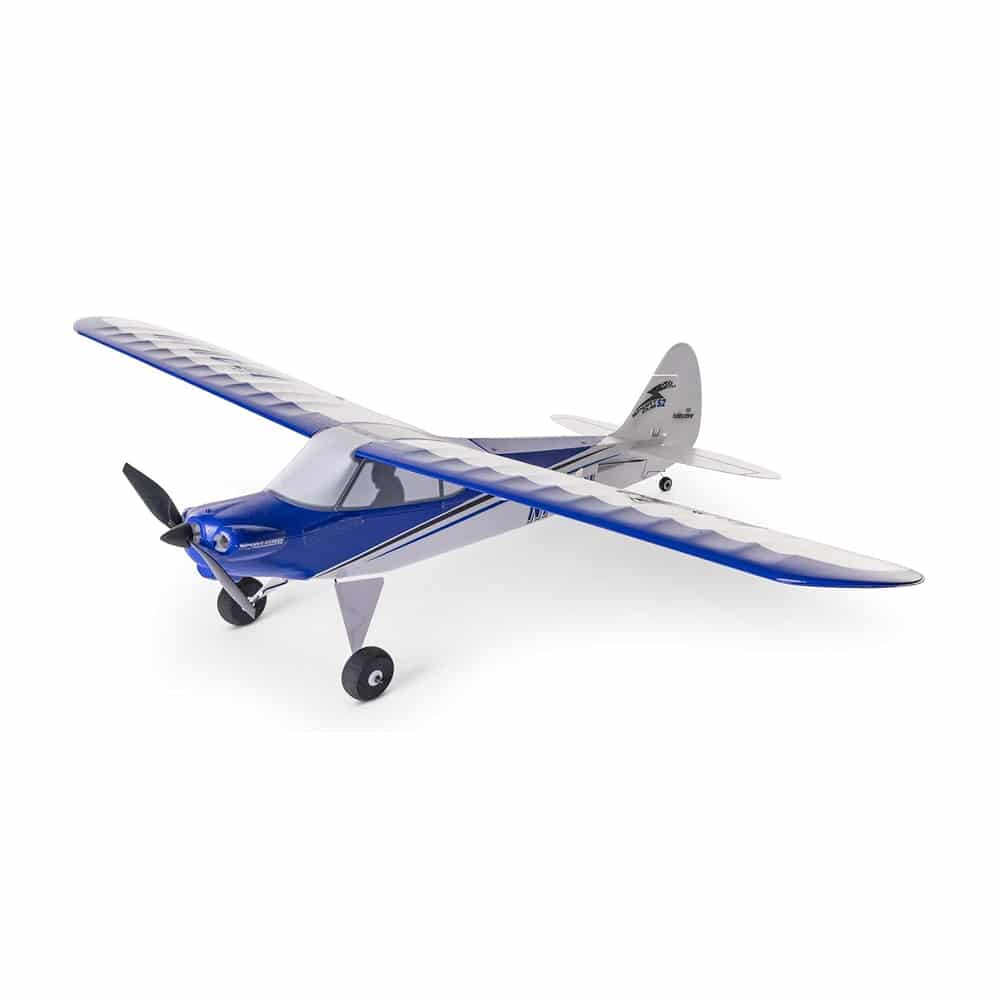
The HobbyZone RC Plane claims third position as an updated version of one of the most beloved scale trainer models in RC aviation history, benefiting from years of refinement and proven design excellence. This aircraft's exclusive SAFE technology represents a proprietary stabilisation system that actively prevents crashes through intelligent flight envelope protection, making it virtually impossible for beginners to enter unrecoverable situations.
The ultra-micro sizing creates unique versatility, enabling flight in parks, sports fields, or even indoors over basketball courts – environments where larger aircraft simply cannot operate. This compact design doesn't sacrifice capability; instead, it opens entirely new flying venues that extend your hobby enjoyment beyond weather-dependent outdoor sessions. The included battery, charger, and RealFlight Trainer Edition simulator trial provide exceptional value, allowing practice on your computer before risking the actual aircraft.
The 100% ready-to-fly configuration eliminates assembly anxiety, whilst the scale appearance delivers authentic visual appeal that enhances the flying experience. The proven design heritage means extensive community support, readily available spare parts, and comprehensive tutorial resources that accelerate learning progression.
However, the Sport Cub S falls slightly behind our top selections due to its smaller size limiting wind resistance and outdoor capability. The battery performance, whilst adequate, doesn't match the extended flight times of premium competitors. The SAFE technology, though effective, lacks the advanced barometric altitude hold found in the AirVontex, requiring more active pilot input for maintaining steady flight.
Pros
- Exclusive SAFE technology actively prevents crashes
- Ultra-micro size enables unique indoor flying
- Updated design improves upon proven bestseller
- RealFlight simulator trial included for practice
- 100% ready-to-fly with nothing extra needed
- Extensive community support and spare parts availability
Cons
- Smaller size limits wind resistance capability
- Battery performance shorter than premium models
- Lacks advanced altitude hold technology features
PICK #4
Rating
7.8/10
GENERAL VIEW
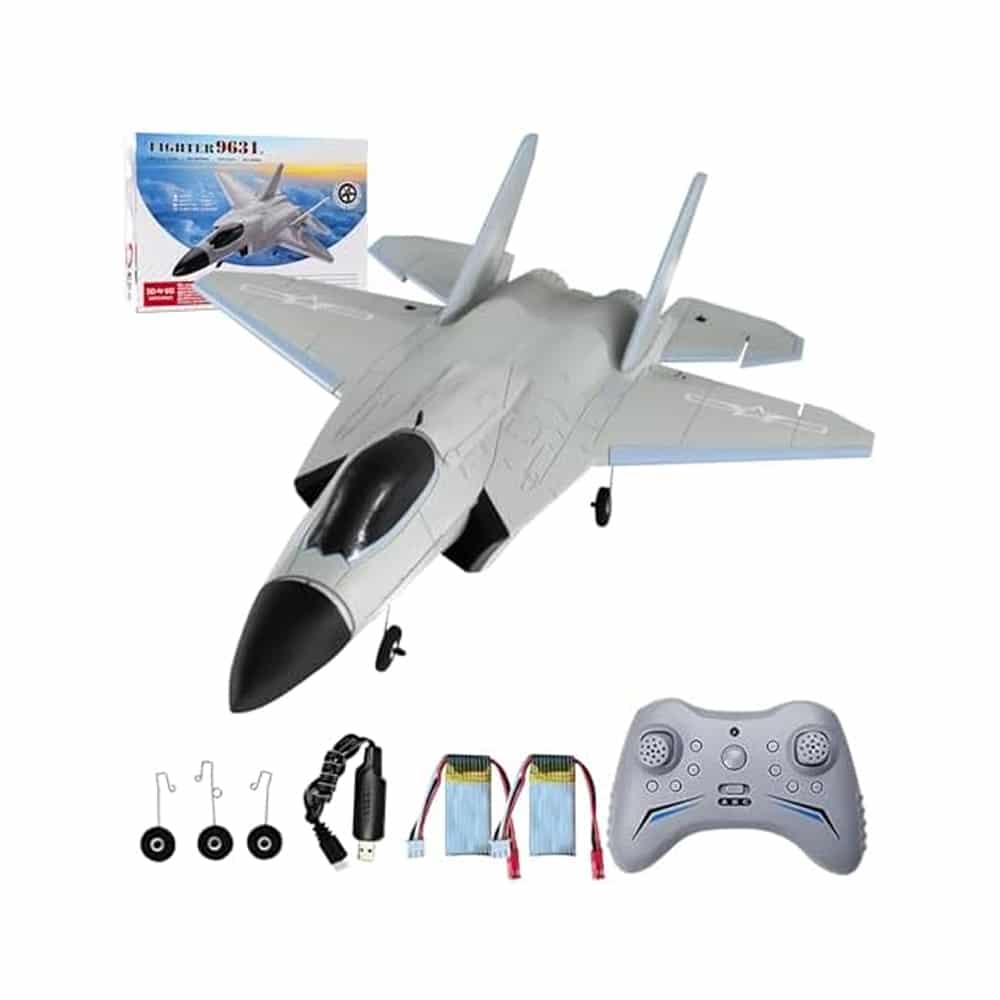
The Hylukon RC Plane secures fourth position through its distinctive dual-mode system that bridges beginner-friendly stability and advanced aerobatic capability. The 6G mode provides excellent gyroscopic stabilisation for steady, controlled flight that builds newcomer confidence, whilst the 3D mode unlocks breathtaking aerobatic potential for experienced pilots seeking adrenaline-pumping manoeuvres.
The advanced six-axis gyroscope delivers impressive stability and accuracy, ensuring smooth flights even during complex tricks and rapid directional changes. The rugged EPP foam construction maintains structural integrity through crashes and rough landings whilst keeping weight minimal for agile performance. The 4-channel full functionality provides comprehensive control over ascending, descending, turning, and directional movement, with additional expert-level functions expanding capability as skills develop.
The ready-to-fly design requires minimal assembly, including controller, rechargeable battery, and charger for immediate enjoyment. This aircraft represents solid value for pilots seeking versatility without premium pricing, offering genuine dual-mode capability that many competitors only simulate through simple sensitivity adjustments.
The Hylukon ranks fourth primarily due to battery performance that trails our top selections, limiting flight sessions to shorter durations. The control range, whilst adequate for most situations, doesn't match the extended distances offered by higher-ranked models. The stabilisation system, though effective, lacks the sophisticated barometric altitude hold and one-touch automated functions that distinguish premium offerings.
Pros
- Dual 3D/6G modes accommodate all skill levels
- Six-axis gyroscope provides excellent flight stability
- Durable EPP foam withstands crashes effectively
- 4-channel control delivers comprehensive flight functionality
- Ready-to-fly design enables quick operation
- Affordable pricing for dual-mode capability
Cons
- Battery performance shorter than premium competitors
- Control range limited compared to top models
- Lacks advanced altitude hold technology
- Manual required for mode switching understanding
PICK #5
Rating
7.1/10
GENERAL VIEW
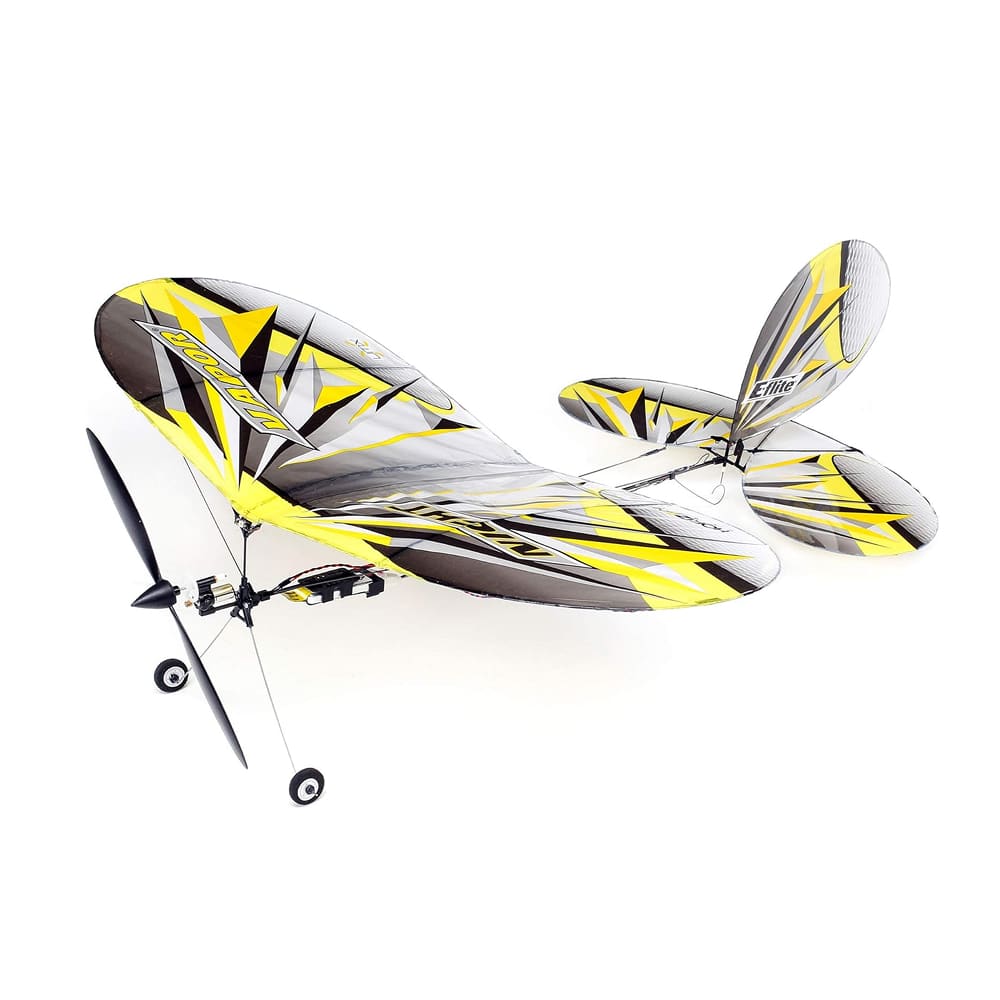
The E-flite RC Plane claims fifth position as an updated version of the unique slow-flyer design that prioritises gentle, relaxed flight characteristics over aggressive performance. The strengthened, reinforced airframe better handles the inevitable collisions that occur during indoor flying or low-wind outdoor sessions, whilst the factory-installed LED lights with colour-changing capability enable captivating day and night operations.
This aircraft's defining characteristic is its exceptional indoor capability – the slow-flying design and compact dimensions make it ideal for large rooms, garages, gyms, or similar enclosed spaces where traditional RC planes cannot operate safely. The ready-to-fly configuration includes everything necessary in one box, eliminating the frustration of discovering missing components after purchase.
The E-flite ranks fifth primarily due to its specialised nature limiting versatility compared to more capable all-around performers. The slow-flying characteristics, whilst perfect for indoor environments, restrict outdoor enjoyment to only the calmest conditions. The battery performance and flight time trail our higher-ranked selections, whilst the feature set focuses on simplicity rather than advanced capabilities like aerobatic modes or automated flight functions that enhance the flying experience for progressing pilots.
Pros
- Exceptional indoor flying capability unique to design
- Strengthened airframe handles collisions better
- Factory LED lights enable night flying
- Colour-changing lighting adds visual appeal
- Ready-to-fly with all components included
Cons
- Slow-flying design limits outdoor wind capability
- Battery performance shorter than premium models
- Feature set basic compared to competitors
- Limited aerobatic capability restricts advanced flying
- Specialised design reduces all-around versatility
What are RC Plane
What Are RC Planes?
Remote control planes, commonly abbreviated as RC planes, are scale model aircraft operated via handheld radio transmitters that send wireless signals to onboard receivers controlling flight surfaces and power systems. These sophisticated flying machines range from simple foam trainers designed for beginners to complex scale replicas featuring retractable landing gear, functional flaps, and realistic detailing.
Modern RC planes utilise advanced 2.4GHz radio technology that eliminates frequency conflicts, enabling multiple aircraft to fly simultaneously without interference. Contemporary models incorporate gyroscopic stabilisation systems, brushless motors, and lithium polymer batteries that deliver performance capabilities unimaginable just a decade ago.
The hobby encompasses various aircraft types including trainers (designed for learning), sport planes (emphasising aerobatics), scale models (replicating full-size aircraft), and specialised designs like slow flyers and 3D aerobatic performers. Construction materials range from traditional balsa wood to modern EPP foam and carbon fibre composites, each offering distinct advantages in durability, weight, and performance characteristics.
RC aviation provides unique benefits beyond mere entertainment, developing hand-eye coordination, spatial awareness, technical understanding, and problem-solving skills whilst offering outdoor recreation and social community engagement through flying clubs and events.
⭐ Benefits of RC Plane
- Stress Relief and Mental Wellness: Flying RC planes provides meditative focus that reduces anxiety, offering therapeutic outdoor activity that disconnects from daily pressures and digital distractions.
- Skill Development and Learning: Operating remote control aircraft develops hand-eye coordination, spatial reasoning, technical knowledge, and problem-solving abilities that transfer to numerous real-world applications.
- Social Community Engagement: The RC aviation hobby connects enthusiasts through flying clubs, online forums, and events, creating friendships and mentorship opportunities across age groups and backgrounds.
- Affordable Entry to Aviation: RC planes provide accessible introduction to aeronautical principles and flying experiences at a fraction of the cost of pilot training or full-scale aircraft ownership.
- Progressive Challenge System: The hobby offers continuous growth opportunities from basic flight to advanced aerobatics, scale building, and competition participation, ensuring long-term engagement and satisfaction.
- Outdoor Recreation and Exercise: Flying sessions encourage outdoor activity, fresh air exposure, and physical movement whilst pursuing an engaging hobby that combats sedentary lifestyle patterns.
- Family Bonding Activities: RC aviation creates shared experiences for parents and children, grandparents and grandchildren, building memories through collaborative learning and flying adventures together.
- Technical Understanding: The hobby develops practical knowledge of aerodynamics, electronics, battery technology, and mechanical systems through hands-on experience with real-world engineering principles.
Things To Consider When Choosing RC Plane
- Skill Level Matching: Select aircraft with stabilisation features and flight assistance appropriate to your current abilities; overly advanced planes frustrate beginners whilst overly simple models bore experienced pilots.
- Flight Environment Assessment: Consider where you'll primarily fly – indoor spaces require smaller slow flyers, whilst outdoor locations need wind-resistant designs with adequate power and control range.
- Battery System Evaluation: Examine flight time duration, charging speed, and battery availability; modular systems enabling quick swaps dramatically extend flying sessions compared to fixed battery designs.
- Durability and Repair Costs: Prioritise crash-resistant construction materials like EPP foam and assess spare parts availability; frequent replacements quickly exceed initial savings from cheaper fragile alternatives.
- Control System Technology: Verify 2.4GHz radio systems with adequate channel count (minimum 4-channel for full control) and confirm range specifications match your intended flying distances and locations.
- Feature Progression Capability: Choose aircraft offering adjustable settings, multiple flight modes, or expandable features that accommodate skill development rather than requiring complete replacement as abilities improve.
- Complete Package Contents: Confirm whether battery, charger, controller, and necessary accessories are included or require separate purchase; hidden costs significantly impact total investment and immediate flyability.
What To Avoid When Choosing RC Plane
- Purchasing Without Stabilisation: Avoid non-stabilised aircraft for beginners; gyroscopic assistance dramatically reduces crashes and accelerates learning, whilst manual-only planes create frustrating experiences that abandon the hobby entirely.
- Ignoring Wind Limitations: Don't fly lightweight aircraft in strong winds; attempting operation beyond design parameters guarantees loss of control, crashes, and potential permanent loss when blown away uncontrollably.
- Inadequate Battery Preparation: Never purchase only one battery; single-battery operation means 10-15 minutes flying followed by hour-long charging waits, whilst multiple batteries enable extended continuous sessions and satisfaction.
- Overlooking Spare Parts Availability: Avoid obscure brands without accessible replacement components; inevitable crashes require propellers, landing gear, and body parts that become impossible to source from discontinued models.
- Skipping Instruction Manual Review: Don't attempt flight without reading operational procedures; understanding trim adjustments, control reversing, emergency procedures, and battery management prevents avoidable crashes and equipment damage.