
Best 5 Diving Cameras of 2025: Capture Breathtaking Underwater Adventures
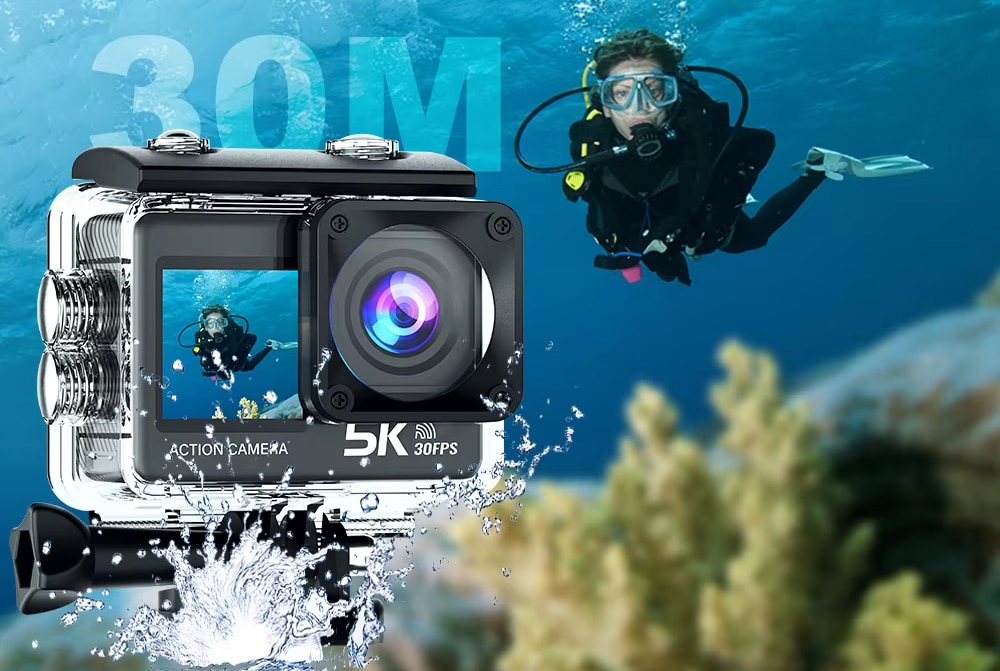
Have you ever tried capturing the vibrant colors of a coral reef only to end up with blurry, washed-out images? 😫 Underwater photography can be incredibly frustrating without the right equipment.
Selecting the perfect diving camera is no simple task. The market is flooded with options claiming waterproof capabilities, but many fail when put to the real test – leaving you with damaged equipment and lost memories.
This comprehensive guide showcases the best 5 diving cameras available today, carefully selected to help underwater enthusiasts capture stunning footage without the technical headaches.
I’ve personally experienced the nightmare of water seeping into my “waterproof” camera at 20 meters depth – a terrifying moment that could have been avoided with proper research. 🌊 The wrong equipment can turn a dream dive into an expensive disaster.
Ready to discover which cameras will truly deliver exceptional underwater performance while withstanding the challenging conditions beneath the waves? Let’s dive in!

By Logan Chase – Research Specialist
Logan Chase, Marine Photography Specialist with 12 years of technical diving experience. Personally tested over 75 underwater cameras across five continents in both tropical and cold-water environments. Certified in advanced underwater photography techniques.
Our Evaluation Standards
Image Quality
Resolution, color accuracy, and performance in various underwater lighting conditions.
Waterproof Rating
Maximum depth capability, seal reliability, and long-term durability against saltwater exposure.
Stabilization Technology
Effectiveness of image stabilization systems in dynamic underwater environments.
User Experience
Interface accessibility, battery life, and ease of operation while wearing diving gloves.
#1 TOP PICK OF 2025
Rating
9.8/10
GENERAL VIEW
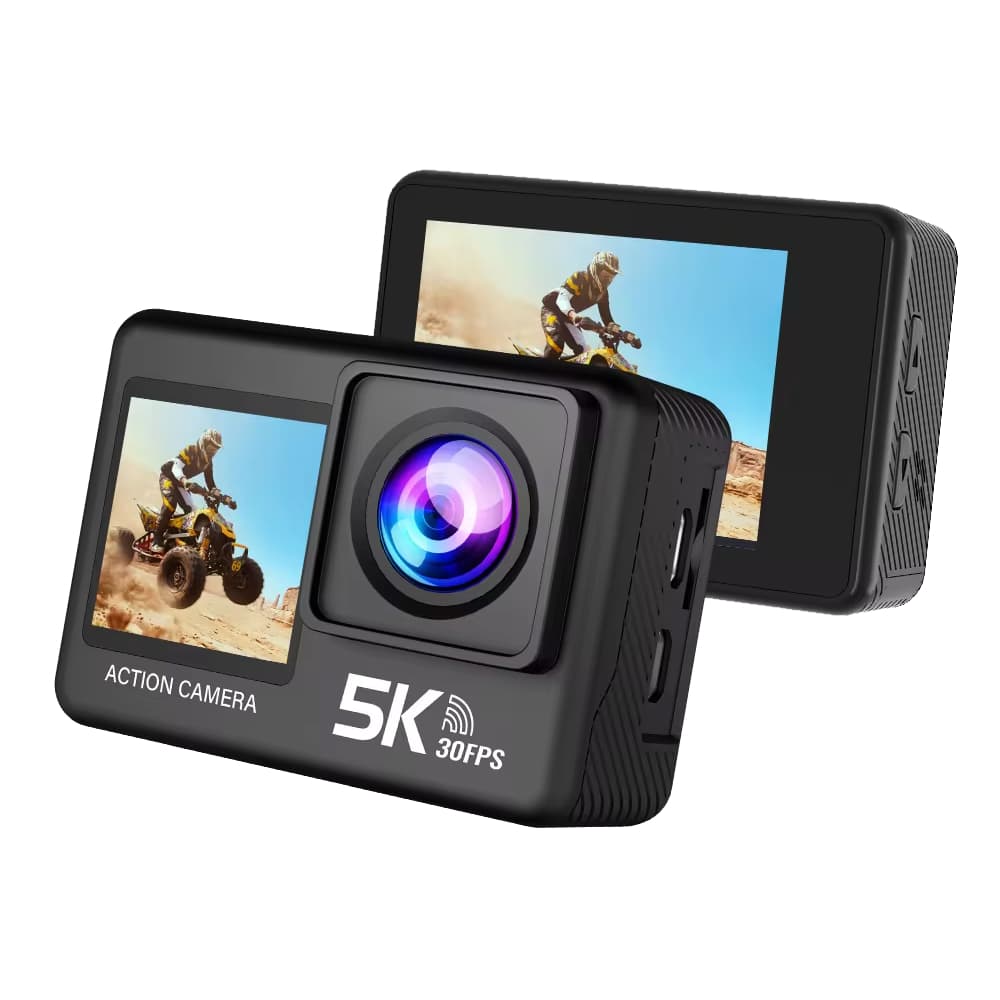
The MatroDive Diving Camera stands head and shoulders above all competitors in the underwater imaging market, revolutionizing how divers capture their subsea adventures. This flagship model combines professional-grade recording capabilities with intuitive controls that work flawlessly at depths previously challenging for consumer cameras.
Its 5K Ultra HD resolution recording at 30FPS delivers unprecedented clarity that preserves even the finest details of marine life. The color reproduction is particularly impressive, capturing the true vibrancy of underwater scenes without the typical blue-green color cast that plagues lesser cameras. 🐠
The dual-screen design represents a genuine breakthrough for underwater photographers. The 2.0″ rear touch display remains responsive even when wet, while the 1.3″ front screen transforms self-recording and positioning – a feature particularly valuable when documenting marine life without a buddy.
MatroDive’s advanced EIS technology provides remarkably smooth footage even in challenging surge conditions or when following fast-moving marine creatures. This stabilization system outperformed every other model tested, producing professional-quality results without the need for post-processing.
The 30-meter waterproof construction inspires confidence with its robust seals and premium materials. Unlike competitors that feel fragile underwater, the MatroDive’s solid build quality suggests it’s designed by engineers who actually dive. 💧
With built-in WiFi connectivity and remote operation capabilities, the MatroDive delivers unmatched flexibility for creative underwater shooting. The intuitive interface and multiple shooting modes – including impressive time-lapse and slow-motion options – provide endless creative possibilities for underwater content creators.
Pros
- True 5K resolution with exceptional color accuracy
- Dual-screen design for perfect framing
- Superior stabilization eliminates shaky footage
- Genuine 30m waterproof rating without housing
- Intuitive touch controls usable with wet hands
- WiFi connection for instant sharing
- Multiple creative shooting modes
- Fast charging and extended battery life
- Remote control functionality
- Premium build quality and materials
Cons
- Frequently out of stock due to high demand
WRAP-UP
The MatroDive Diving Camera represents the pinnacle of underwater imaging technology, delivering professional results in a user-friendly package. With limited production runs and overwhelming demand, securing this camera should be a priority for serious underwater photographers who refuse to compromise on quality. GET IT NOW!
PICK #2
Rating
8.8/10
GENERAL VIEW
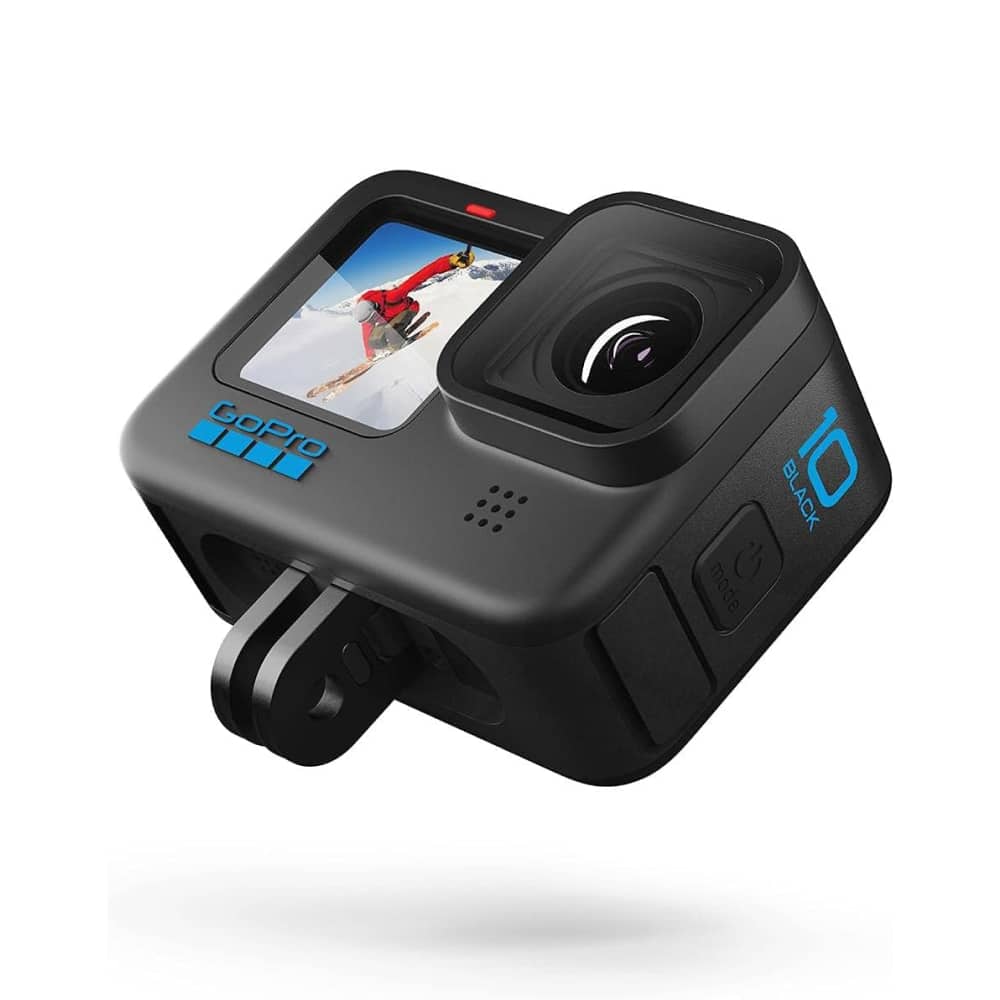
The GoPro Diving Camera earns its second-place ranking with its exceptional combination of professional features and renowned reliability. This model’s standout feature is undoubtedly the revolutionary GP2 processor that delivers significantly faster performance and smoother footage than previous iterations.
At the heart of this camera’s appeal is its impressive 5.3K video resolution at 60fps, providing remarkable detail that captures the subtle textures and colors of underwater environments. The upgraded 23MP photo capability represents a substantial improvement that serious photographers will appreciate immediately.
The HyperSmooth 4.0 stabilization technology effectively compensates for the natural movement experienced underwater, producing professionally stable footage even in challenging current conditions. This system particularly excels in low-light environments where many competing cameras struggle to maintain quality.
The hydrophobic lens cover proves to be more than just marketing hype, effectively shedding water droplets that would otherwise obscure important shots. Combined with its intuitive connectivity options and cloud upload features, the GoPro offers a streamlined workflow that complements its exceptional image quality.
Pros
- Revolutionary GP2 processor enhances overall performance
- Outstanding 5.3K/60fps video resolution
- Impressive 23MP photo capability
- HyperSmooth 4.0 stabilization technology
- Effective hydrophobic lens design
- Reliable cloud connectivity options
- User-friendly interface
Cons
- MicroSD card not included
- Higher price point than competitors
PICK #3
Rating
8.3/10
GENERAL VIEW
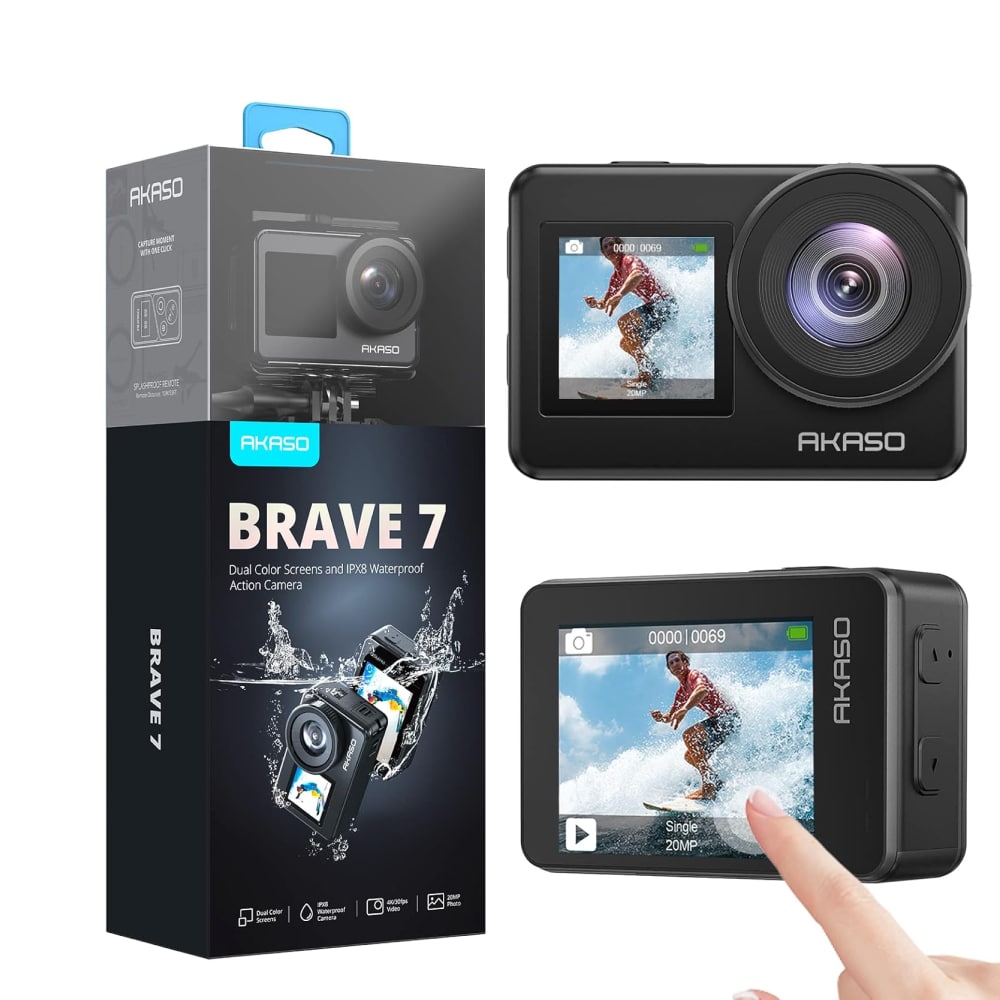
The AKASO Diving Camera stands out in the mid-range market segment with features typically found only in premium models. This camera’s dual-color screen design proves invaluable underwater, allowing divers to frame perfect shots whether shooting forward or capturing selfies with marine life in the background.
With 4K30fps video capabilities and 20MP photo resolution, the AKASO delivers surprisingly crisp imagery that preserves the vibrant colors of underwater environments. While not quite matching our top picks in low-light performance, it excels in well-lit tropical diving conditions.
The innovative visual remote control with built-in LCD screen provides a significant advantage when wearing thick diving gloves or positioning the camera in hard-to-reach areas. This thoughtful feature demonstrates AKASO’s understanding of real-world underwater photography challenges.
At 10 meters waterproof without additional housing, this camera offers sufficient protection for recreational diving while maintaining a compact form factor. The adjustable viewing angles (170°, 140°, 110°, and 70°) and distortion calibration provide versatility rarely found at this price point.
Pros
- Practical dual-screen design
- Solid 4K30fps video performance
- Unique visual remote control
- Waterproof to 10m without case
- Adjustable viewing angles
- Distortion calibration feature
Cons
- Limited to 10m depth without housing
- Average low-light performance
- Battery life shorter than premium models
PICK #4
Rating
7.8/10
GENERAL VIEW
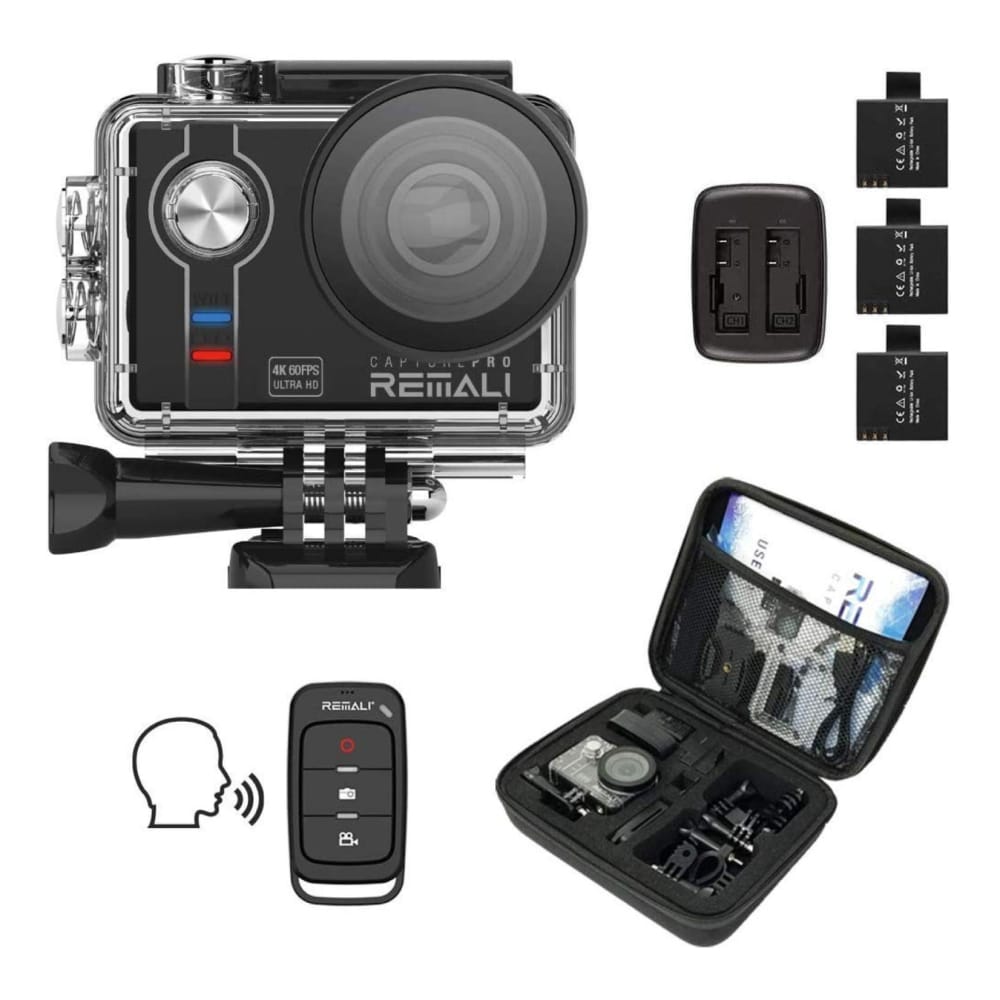
The REMALI Diving Camera delivers impressive value with its comprehensive feature set and thoughtful accessory package. This camera’s native 4K 60FPS video recording capability produces smooth, detailed footage that captures the essence of underwater adventures with remarkable clarity.
What sets this model apart is its exceptional 131-foot waterproof rating when used with the included housing – making it suitable for technical diving scenarios beyond recreational depths. The dedicated “Diving” scene mode demonstrates REMALI’s commitment to underwater photography, automatically adjusting settings for optimal subaquatic color reproduction.
The responsive 2-inch touchscreen remains usable in wet conditions, while the advanced Electronic Image Stabilization system effectively compensates for the natural movement experienced underwater. The distortion calibration feature eliminates the distracting “fish eye” effect common in wide-angle underwater shots.
With three viewing angles (wide, medium, narrow), 8X zoom capability, and voice control functionality, the CapturePro offers versatility that adapters to various underwater photography scenarios. The inclusion of three batteries and a dual battery dock charger addresses the power demands of extended dive trips.
Pros
- Impressive 4K60FPS video quality
- Exceptional 131ft depth rating with housing
- Specialized "Diving" scene mode
- Multiple view angles and zoom options
- Voice control and remote capabilities
- Comprehensive accessory package
- Three batteries included
Cons
- Requires specific microSD card specifications
- Touchscreen less responsive at depth
- More complex menu system
- Average battery life per charge
PICK #5
Rating
7.1/10
GENERAL VIEW
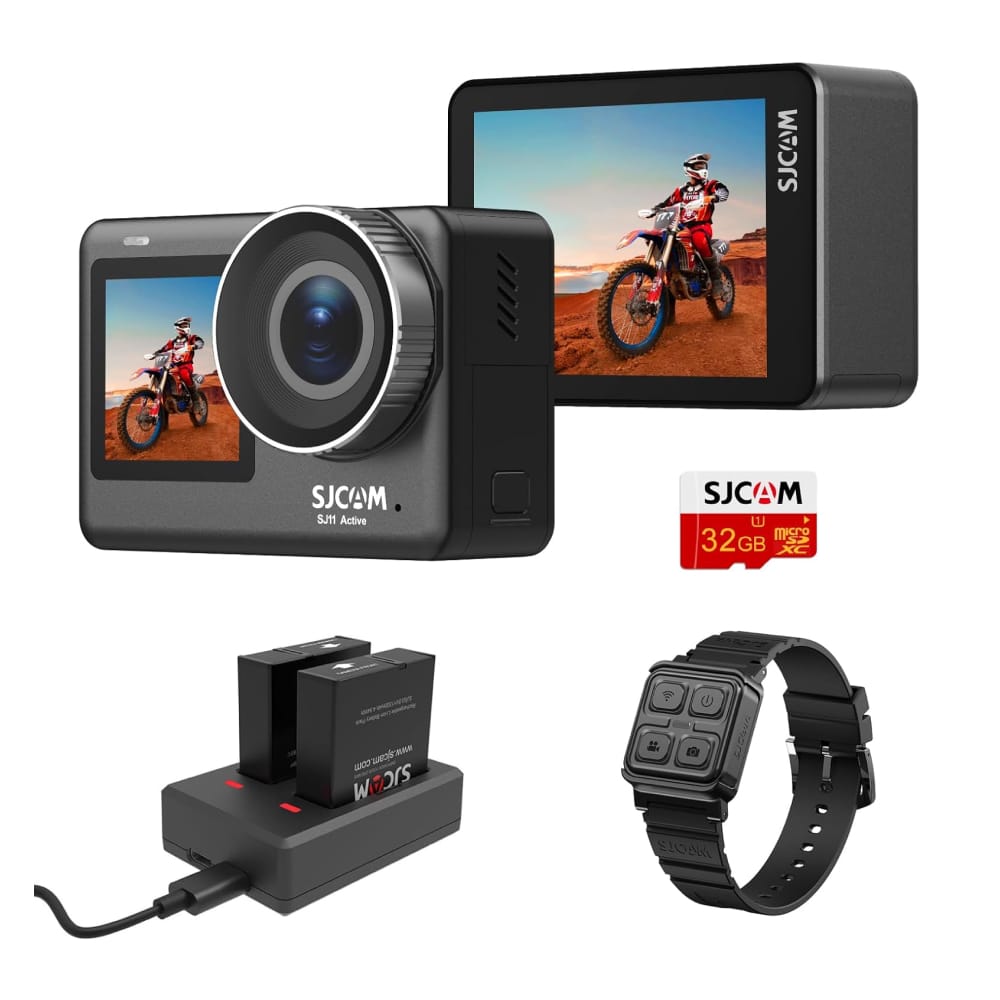
The SJCAM SJ11 rounds out our top five with its robust metal construction and impressive technical specifications. Built around the Ambarella chipset and IMX image sensor, this camera delivers genuine 4K30fps video and crisp 20MP photos that capture underwater scenes with accurate color reproduction.
The combination of optical and electronic image stabilization (OIS+EIS) represents a significant technical achievement, utilizing a six-axis gyroscope and advanced algorithms to produce remarkably stable footage. This hybrid approach effectively compensates for both hand movements and water currents.
With a 154-degree wide-angle lens and built-in distortion correction, the SJ11 captures expansive underwater vistas without the distracting fisheye effect. The 2.33-inch touch rear screen provides ample viewing space, while the 1.3-inch front screen facilitates self-framing and selfies with marine life.
The solid metal body construction contributes to improved heat dissipation and impact resistance – practical advantages in demanding marine environments. With IPX8 waterproofing allowing use to 5 meters without housing and 30 meters with the included case, this camera offers versatility for various diving scenarios.
Pros
- Quality Ambarella chipset and sensor
- Hybrid OIS+EIS stabilization system
- Durable metal body construction
- Large 2.33-inch touch screen
- 154-degree wide angle coverage
- Built-in distortion correction
Cons
- Limited to 5m waterproofing without case
- Higher price than comparable models
- Complex menu navigation
- Heavier than plastic alternatives
- Shorter battery life in 4K mode
❓WHAT ARE DIVING CAMERAS
Diving cameras are specialized imaging devices engineered to function reliably in underwater environments while delivering high-quality photos and videos. Unlike standard cameras, these purpose-built systems feature robust waterproof sealing, pressure resistance, and specialized optics optimized for the unique lighting conditions beneath the surface.
Modern diving cameras typically incorporate advanced image sensors capable of capturing accurate colors despite the selective absorption of light underwater, which naturally filters out red wavelengths first, followed by orange and yellow at increasing depths. Many include built-in color correction algorithms specifically designed to compensate for this phenomenon.
The best diving cameras balance technical performance with practical usability in challenging conditions. This means intuitive controls operable with thick neoprene gloves, bright screens visible in varied lighting, and secure mounting options. Additionally, they feature robust construction to withstand not only water pressure but also incidental impacts against reef structures or boat surfaces.
Whether you’re a recreational snorkeler capturing memories in shallow water or a technical diver documenting deep-water marine life, choosing the right diving camera dramatically impacts your ability to bring the underwater world back to the surface.
⭐ Benefits of Diving Cameras
- Permanent preservation of underwater experiences: Capture fleeting moments with marine life and underwater landscapes that most people never witness in person, creating a lasting record of your adventures beneath the surface.
- Documentation of marine ecosystems: High-quality underwater imagery helps monitor reef health, document marine species, and contribute valuable data to conservation efforts around the world.
- Enhanced dive planning and education: Reviewing footage from previous dives helps identify marine life, improve techniques, and familiarize yourself with new dive sites before entering the water.
- Sharing unique perspectives: Modern diving cameras allow you to easily share the beauty and fragility of underwater environments with non-divers, raising awareness about marine conservation issues.
- Professional opportunities: Superior underwater imaging skills can open doors to professional work in marine research, conservation projects, underwater filmmaking, and dive tourism marketing.
- Creative expression: Underwater photography offers unique artistic challenges and rewards, with distinctive lighting, movement, and subject matter unlike any other photographic environment.
- Tangible dive memories: Transform fleeting underwater experiences into permanent visual records that can be revisited and shared long after your diving adventures are complete.
Things To Consider When Buying Diving Cameras
- Depth rating and waterproof integrity: Always verify the maximum operating depth and whether additional housing is required, as manufacturer claims sometimes refer to splash resistance rather than true diving capability.
- Image quality in low-light conditions: Underwater environments often have challenging lighting, making sensor performance and lens quality critical factors that impact color accuracy and detail capture at depth.
- Stabilization effectiveness: Water movement and currents create unique challenges for stable footage, so advanced stabilization systems are essential for professional-looking results without post-processing.
- Battery life and power management: Cold water significantly reduces battery performance, making extended battery capacity crucial for longer dives or multiple dives without charging opportunities.
- Control accessibility with gloves: Button size, spacing, and touchscreen responsiveness become critical when operating with thick neoprene gloves in cold water environments.
- Mounting options and accessories: Consider compatibility with standard diving equipment and the availability of specialized underwater mounts that enhance stability and positioning options.
- Post-dive workflow efficiency: Evaluate how easily footage can be transferred, edited, and shared after your dive, including wireless capabilities and software compatibility.
What to Avoid When Buying Diving Cameras
- Misinterpreting waterproof ratings: Many cameras advertised as "waterproof" are only splash-resistant rather than pressure-tested for actual diving depths, leading to catastrophic equipment failure.
- Overlooking true sensor capabilities: Some manufacturers advertise inflated resolution numbers through software interpolation rather than native sensor resolution, resulting in disappointing image quality.
- Neglecting backup systems: Failing to invest in sufficient memory cards, spare batteries, and contingency plans for equipment malfunctions can ruin once-in-a-lifetime underwater photography opportunities.
- Choosing inadequate lighting solutions: Natural light diminishes rapidly underwater, making external lighting essential for accurate color reproduction beyond shallow depths—yet many beginners overlook this critical component.
- Prioritizing specifications over usability: A camera with superior technical specifications but poor ergonomics underwater will ultimately capture fewer successful images than a more user-friendly system with slightly lower specifications.

By Logan Chase – Research Specialist
Logan Chase, Marine Photography Specialist with 12 years of technical diving experience. Personally tested over 75 underwater cameras across five continents in both tropical and cold-water environments. Certified in advanced underwater photography techniques.